
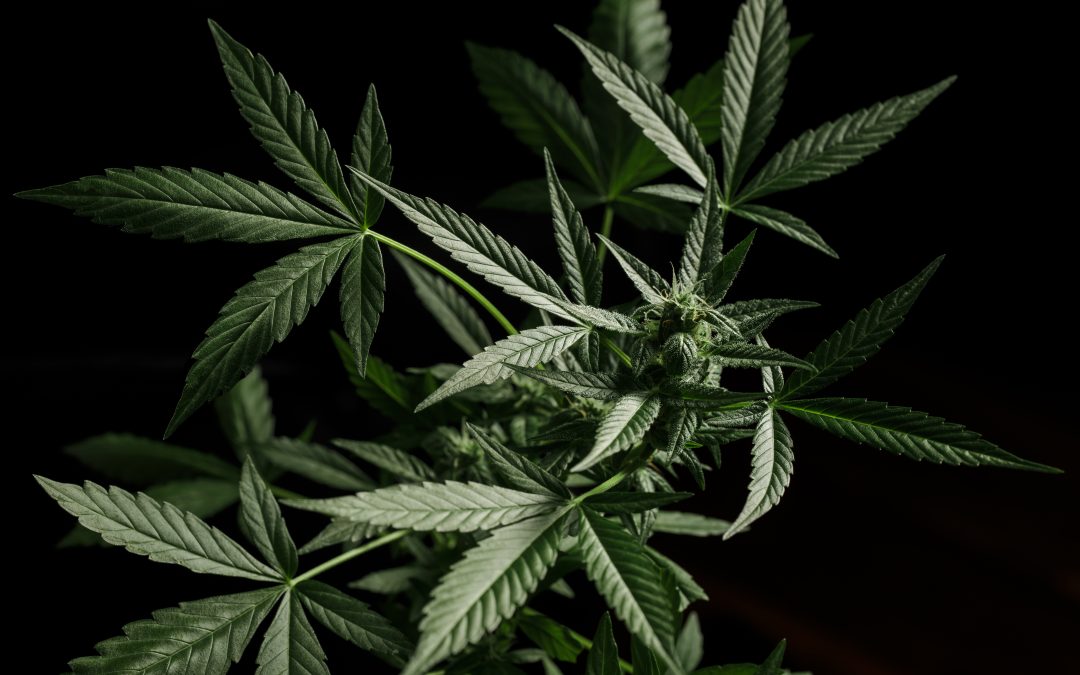
When it comes to marijuana laws in the United States, there’s often confusion about what is and isn’t allowed. Is it illegal to smoke marijuana? Is it illegal to be caught with it? Or are both actions punishable? This blog will explore these questions to help you better understand the legal landscape and the consequences of marijuana-related activities.
Marijuana Laws in the U.S.: A Patchwork System
Marijuana laws vary significantly depending on where you are. At the federal level, marijuana remains a Schedule I controlled substance, making it illegal across the entire United States. However, many states have chosen to legalize marijuana for medical or recreational use, creating a patchwork of laws that can be confusing for residents and visitors.
For instance:
- Medical use is legal in 38 states, but the requirements for a prescription vary.
- Recreational use is legal in 23 states and Washington, D.C., but often with strict age and quantity limits.
- Even in states where marijuana is legal, public smoking or possession in excess of legal limits can result in penalties.
Understanding these laws is critical because the consequences for violations differ depending on your location.
Is It Illegal to Smoke Marijuana?
The legality of smoking marijuana largely depends on:
- Where you are: In states like Colorado or California, adults over 21 can smoke marijuana recreationally, but doing so in public is usually prohibited.
- How much you possess: Even in states where marijuana use is legal, exceeding the possession limit can lead to charges.
For example, smoking in public areas like parks or on sidewalks is often treated as a misdemeanor, even in states where recreational use is allowed. If you’re in a state where marijuana is fully illegal, smoking it can lead to more severe penalties, including fines, probation, or even jail time.
Is It Illegal to Be Caught with Marijuana?
The answer to “is it illegal to have weed” depends on the amount and where you are. States that have legalized marijuana usually allow possession of small quantities (e.g., up to 1 ounce in Colorado). However:
- Possession of larger amounts can result in charges of intent to distribute, which carries much harsher penalties.
- In states where marijuana is not legal, any amount could lead to fines, probation, or incarceration.
For instance, what happens if you get caught with weed in Texas (where recreational use is illegal)? Possession of less than 2 ounces is a misdemeanor, punishable by up to 180 days in jail and a $2,000 fine. In contrast, neighboring New Mexico allows adults to possess up to 2 ounces for personal use.
Legal Consequences of Smoking or Possessing Marijuana
The potential consequences for marijuana-related offenses include:
- Fines: Even minor infractions, such as public smoking, can result in financial penalties.
- Jail time: Particularly for repeat offenders or those caught with large quantities.
- Criminal records: A marijuana conviction can appear on your record, affecting employment and housing opportunities.
Some states offer first-time offender programs that may allow charges to be dismissed after completing certain requirements, like community service or drug education classes.
What to Do if You’re Caught with Marijuana
If you find yourself in trouble for smoking or possessing marijuana, here are steps to take:
- Know your rights: You have the right to remain silent and to refuse a search without a warrant.
- Be respectful: Cooperate with law enforcement, but don’t volunteer unnecessary information.
- Consult an attorney: A criminal defense lawyer can guide you through the legal process and potentially reduce or dismiss charges.
Staying Informed and Staying Safe
The laws around marijuana use and possession continue to evolve, and staying informed is essential to avoid legal trouble. Whether you’re a resident or traveling to a new state, understanding the rules can save you from fines, jail time, and a criminal record.
If you have questions about marijuana laws or need legal representation, consult a criminal defense attorney to get expert advice tailored to your situation.